How to Document Injuries for a Strong Legal Claim
An accident can leave you dealing with much more than physical pain. Medical appointments, missed work, financial stress, and uncertainty about the future can quickly become overwhelming.
During recovery, many people focus on healing and don't realize how important it is to document their injuries from the very beginning. Unfortunately, waiting too long to gather evidence can make it harder to demonstrate the full impact of an injury later.
At Hefferon Law, PLLC, our Charlotte, NC personal injury lawyer understands the challenges injury victims face after an accident. If you're considering pursuing a claim, taking the right steps early can make a significant difference in your ability to recover compensation. Contact us today to discuss your situation and learn how we can help.
One of the most important steps after an accident is obtaining medical care immediately. Even if you believe your injuries are minor, some conditions may not show symptoms right away. Prompt treatment creates a record linking your injuries directly to the accident.
Medical records often become some of the most valuable pieces of evidence in a personal injury claim. They help demonstrate the nature of your injuries, the treatment required, and the impact those injuries have on your daily life.
When you visit a healthcare provider, be honest and thorough when describing your symptoms. Mention every area of discomfort, no matter how minor it may seem. Consistent medical documentation can strengthen your personal injury case and help establish a clear timeline of your recovery.
An experienced attorney like Ben Hefferon can often use these records to support claims involving medical expenses, pain and suffering, and future treatment needs.
Visual evidence can provide powerful support for a legal claim. Photographs can show the progression of injuries and help others understand what you've experienced.
As soon as possible after the accident, begin taking photographs of your injuries and continue doing so throughout the healing process.
Helpful photographs may include:
Bruises and discoloration
Cuts and lacerations
Swelling and inflammation
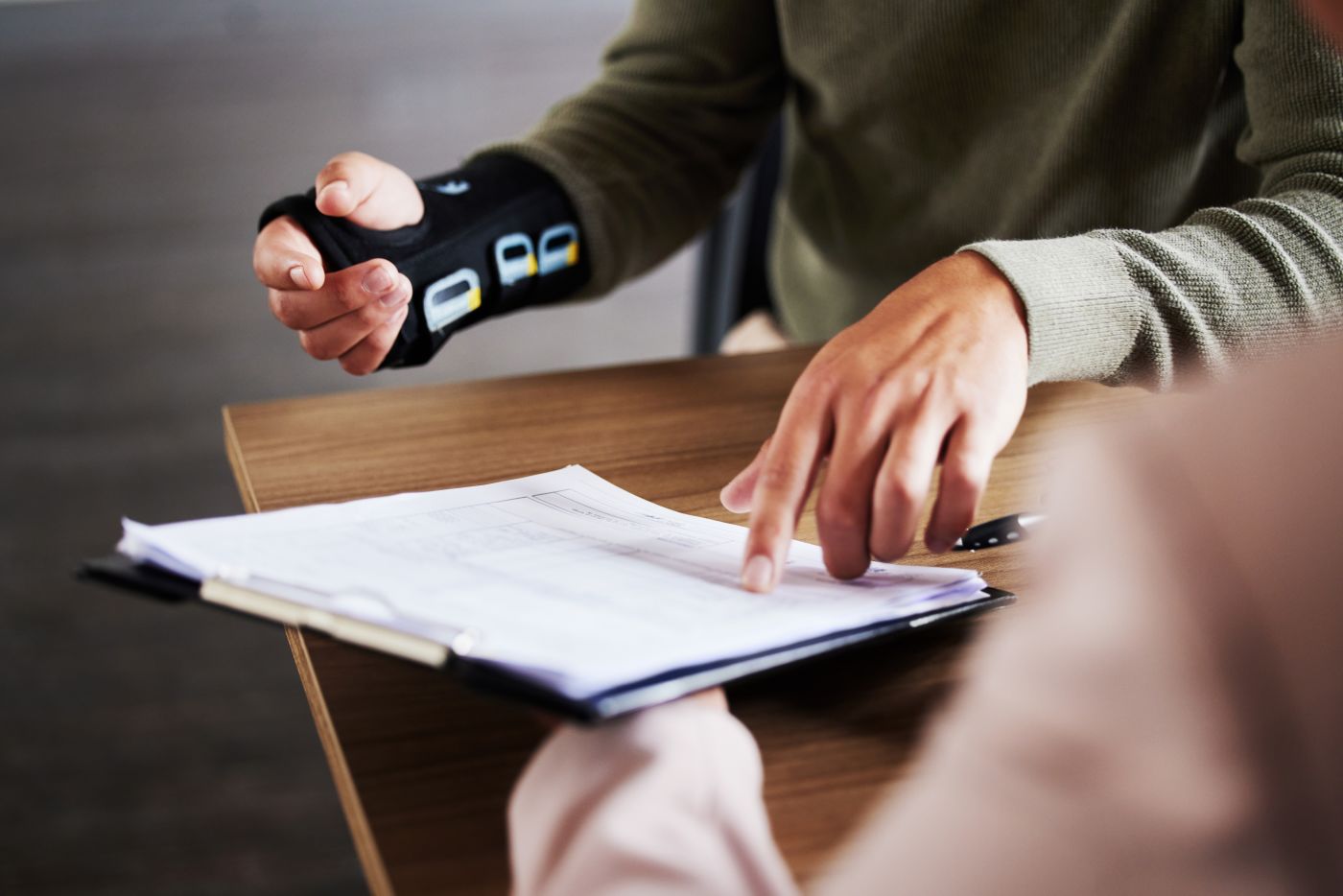
Broken bones requiring casts or braces
Surgical scars
Medical equipment used during recovery
Visible mobility limitations
Property damage related to the accident
Photographs provide a visual timeline that may help support your personal injury claim. They can also demonstrate injuries that may fade or heal before the legal process is completed.
By documenting injuries consistently, you create evidence that can be difficult for insurance companies to dispute.
A personal journal can be one of the most effective ways to document the daily effects of an injury. While medical records focus on diagnosis and treatment, a journal captures how your injuries affect your everyday life.
Your entries don't need to be lengthy. The goal is to record your experiences honestly and consistently.
Information to include in your journal:
Daily pain levels
Physical limitations
Missed workdays
Difficulty performing household tasks
Sleep disturbances
Emotional challenges
Missed family events or activities
Progress and setbacks during recovery
A journal helps create a clear picture of how the accident has affected your quality of life. This type of evidence may be particularly useful when pursuing damages for pain and suffering in a personal injury claim.
Keeping a journal also allows you to recall important details months later when memories may not be as clear.
In addition to medical records and photographs, many other documents can help strengthen a legal claim. The more evidence you preserve, the easier it may be to demonstrate the full financial and personal impact of your injuries.
Maintaining organized records can prevent valuable information from being lost during the claims process.
Documents that may support your claim include:
Medical bills
Prescription receipts
Physical therapy records
Health insurance statements
Pay stubs showing lost income
Accident reports
Vehicle repair estimates
Correspondence with insurance companies
These records can help establish damages and provide additional support for your personal injury case. They also help create a more complete picture of the challenges you've faced since the accident.
Strong documentation often allows attorneys to present claims supported by objective evidence rather than relying solely on verbal statements.
Consistent treatment is often an important factor in a legal claim. Missing appointments or failing to follow medical advice may create questions about the severity of your injuries.
Continue attending scheduled appointments and follow treatment recommendations whenever possible. If your condition changes, inform your healthcare provider so your medical records remain accurate and up to date.
Open communication with your attorney is equally important. A personal injury claim often involves gathering evidence over time, and your attorney can help identify additional documentation that may strengthen your case.
Recovering from an accident can feel overwhelming, especially when you're dealing with physical pain, emotional stress, and financial uncertainty. You may feel pressure from insurance companies while trying to focus on your health and your family.
Taking the time to document your injuries carefully can help protect your interests and provide valuable support for your claim.
We know that a strong personal injury claim often begins with strong documentation. By gathering medical records, photographs, journals, and financial records, you can help demonstrate the true impact of your injuries. Our goal is to help clients present compelling cases backed by clear evidence.
If you've been injured and need guidance with a personal injury claim, contact Hefferon Law, PLLC today. We help clients throughout Charlotte, Indian Trail, and surrounding North Carolina communities pursue fair compensation after serious accidents. Call us now to schedule a consultation.